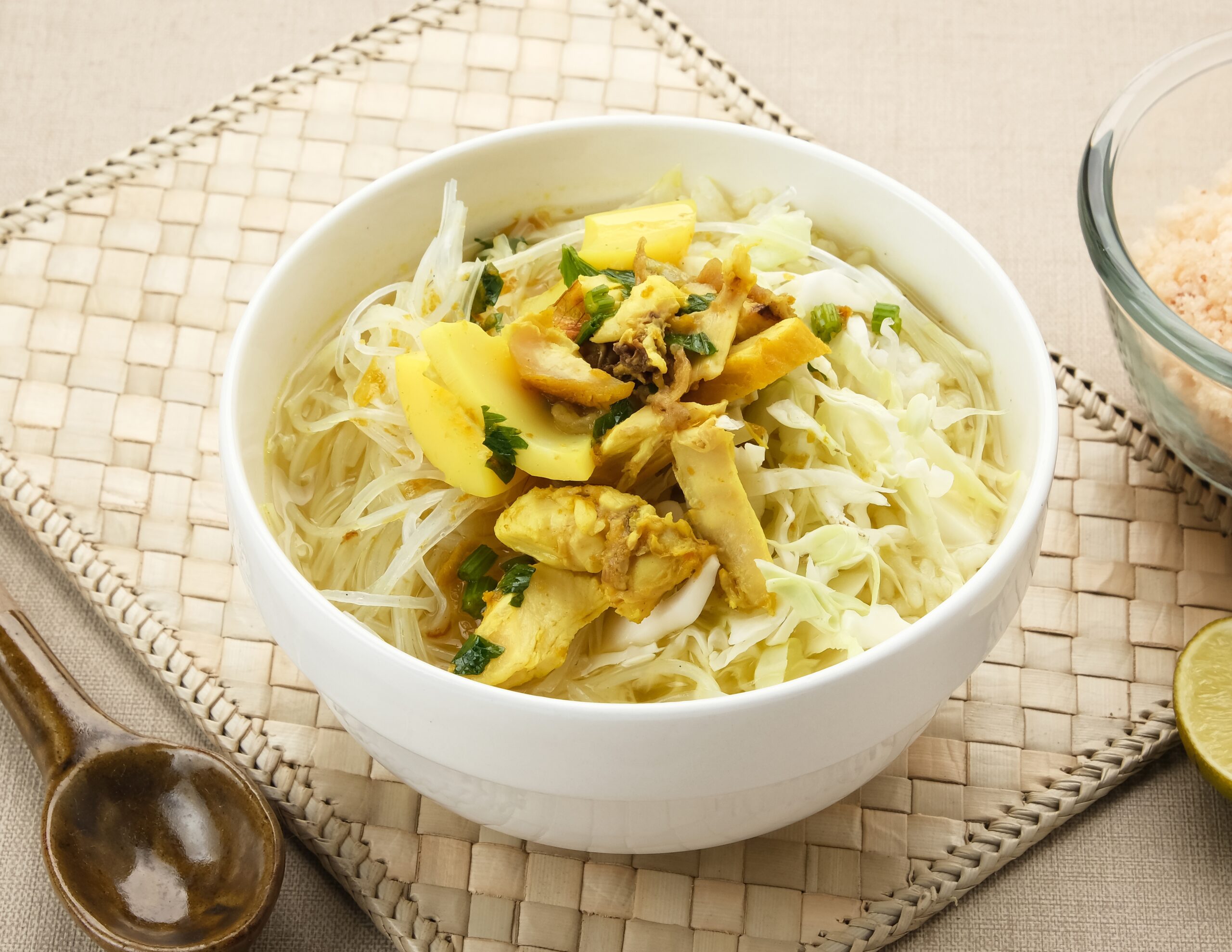
Treat Your Taste Buds To Traditional Indonesian Cuisine.
Indonesia’s traditional heritage is a vibrant tapestry of flavors, shaped by its vast archipelago, diverse cultures, and centuries of trade and cultural exchange. With over 17,000 islands and 300 ethnic groups, the cuisine reflects the country’s remarkable biodiversity and cultural richness. Known as the “Spice Islands,” Indonesia is home to an abundance of spices like nutmeg, cloves, and turmeric, which are key to its flavorful dishes. Indonesian cuisine is globally recognized for its bold flavors, unique spices, and cultural significance.
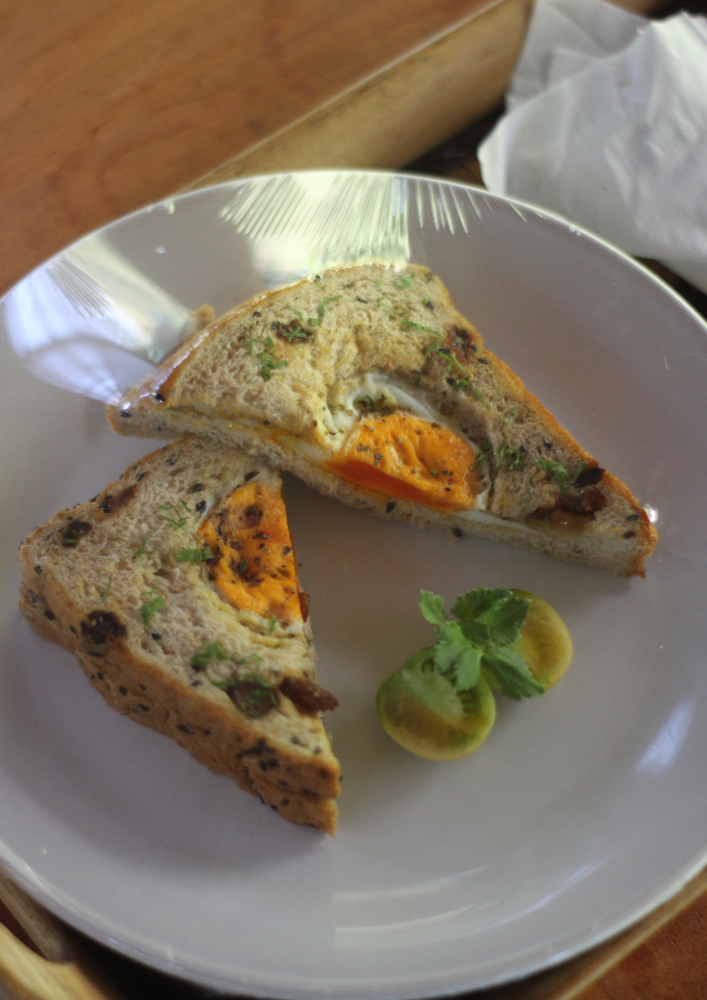
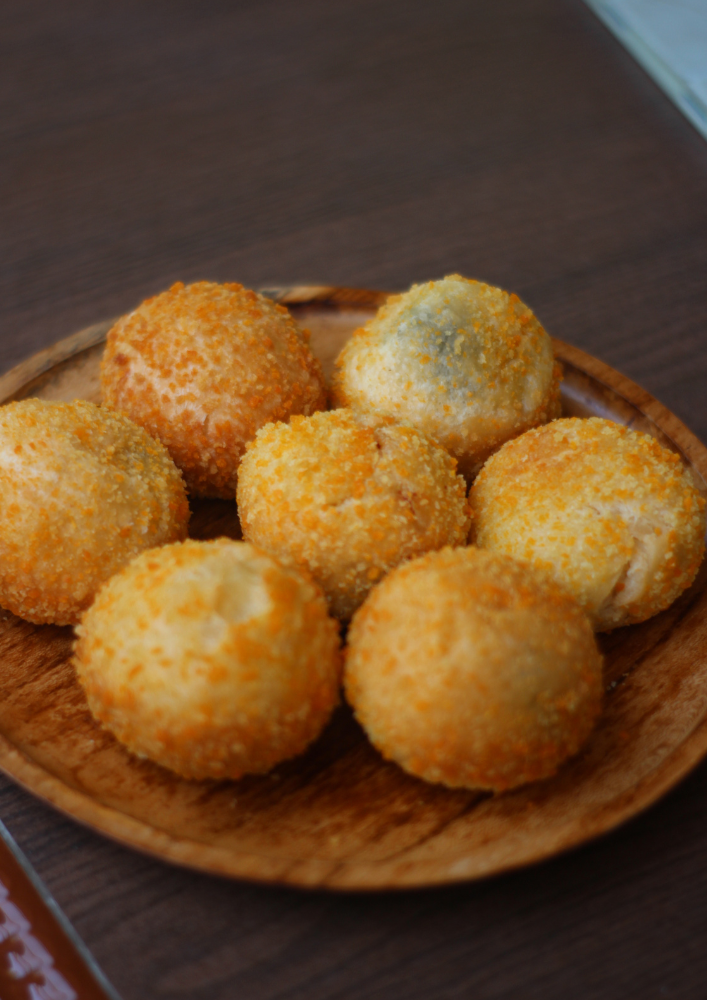
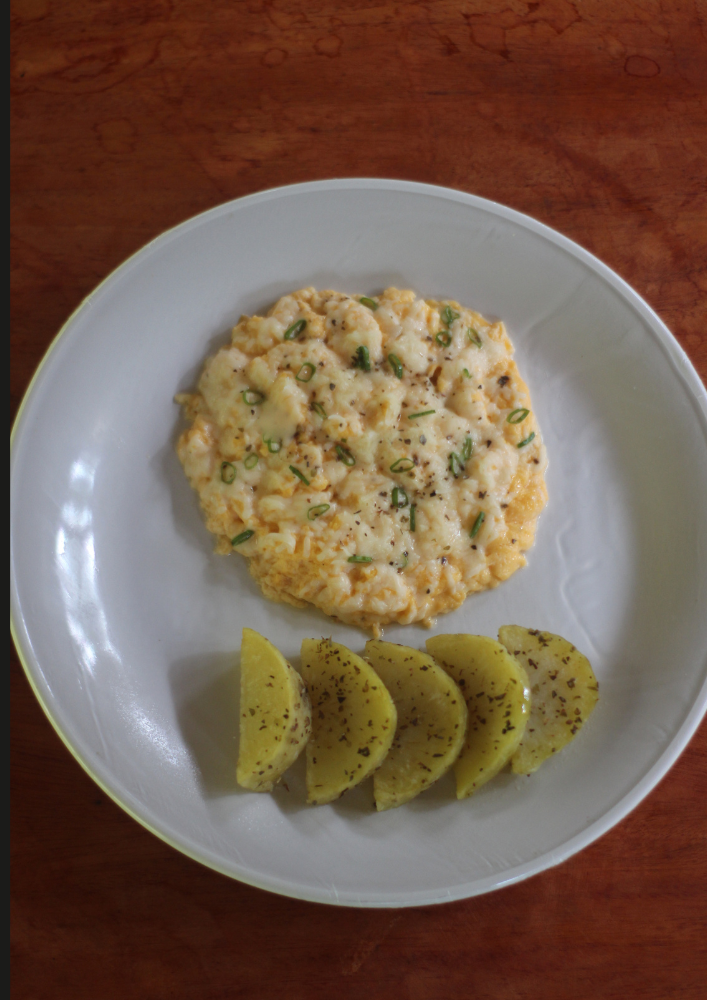
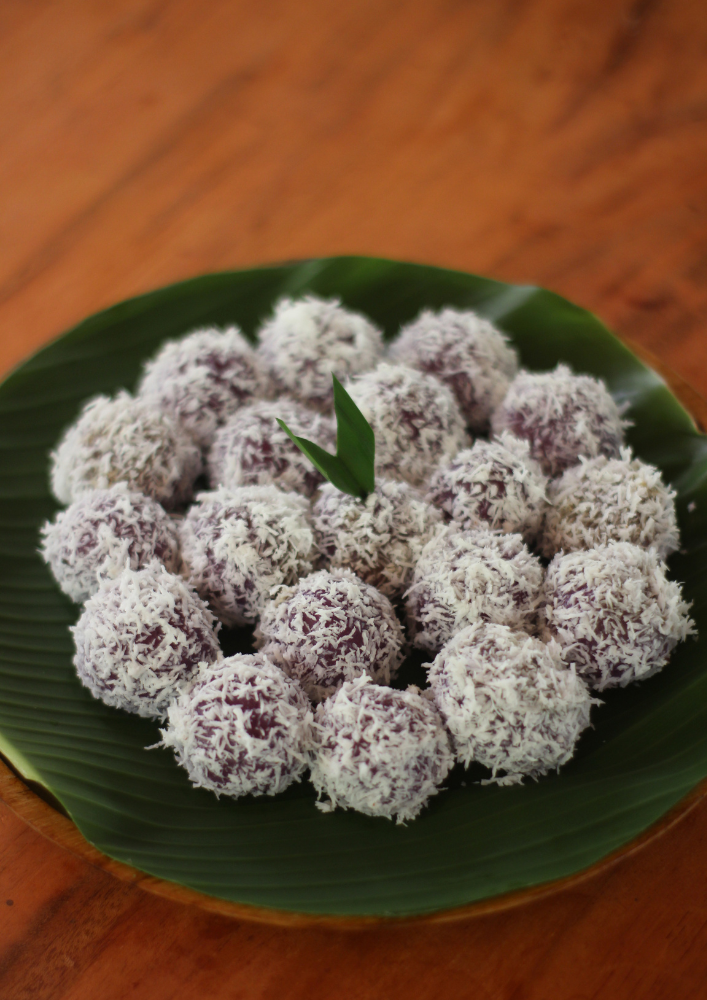
By retreat programme through your course, you will taste many kinds of traditional foods
And get the experience on how the way to make it!

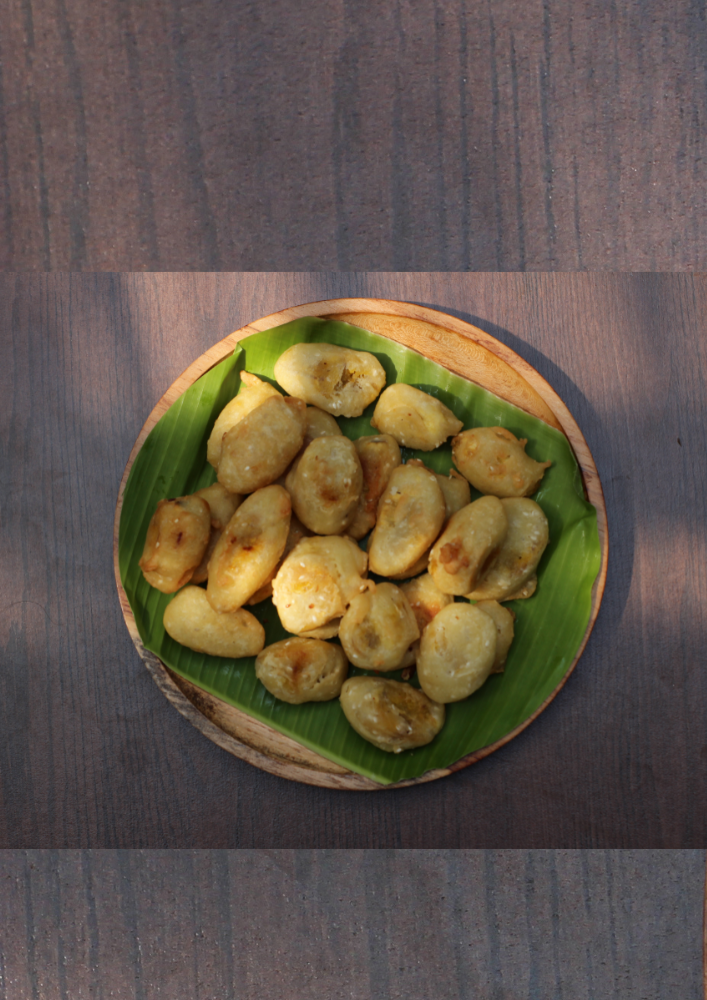
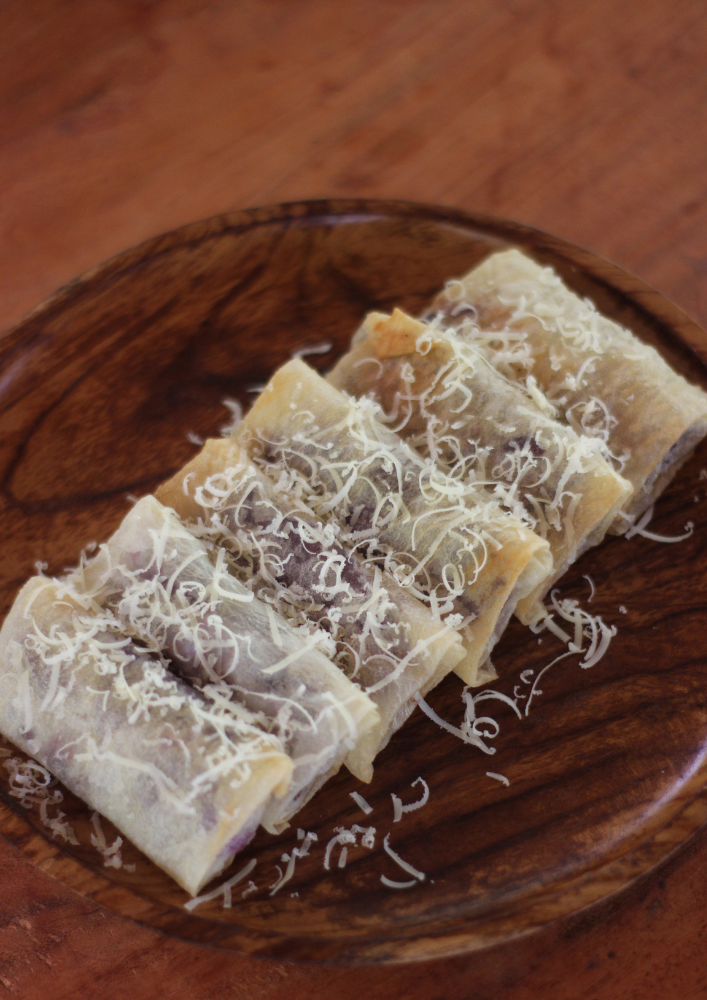
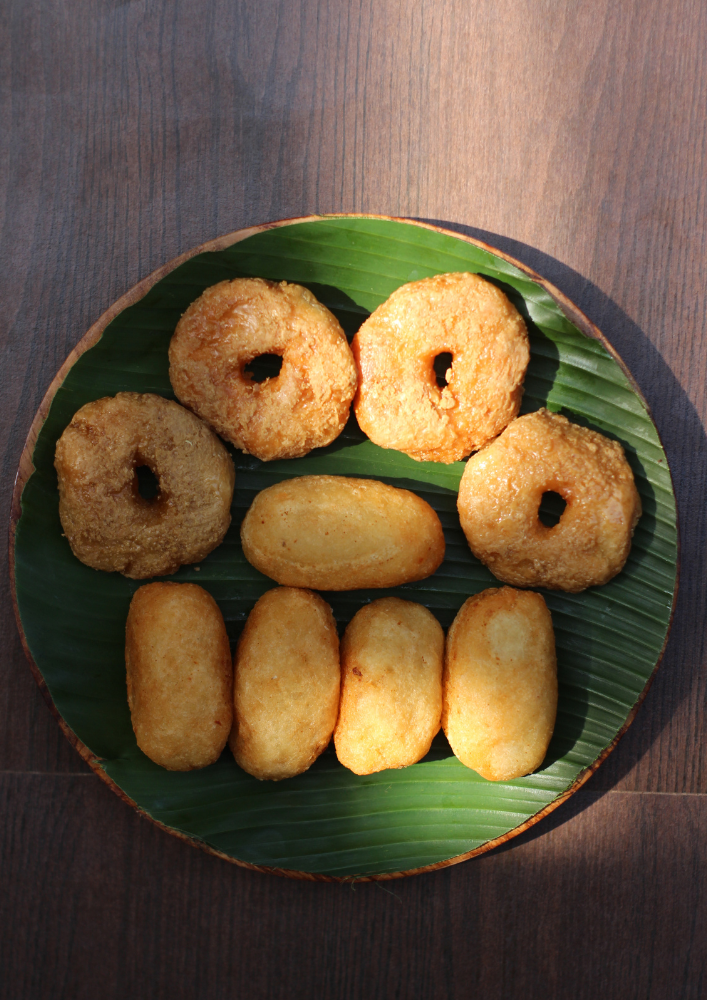
Gudeg
Gudeg is a traditional Indonesian dish originating from Yogyakarta, Java. It’s made from young unripe jackfruit (gudeg) cooked in coconut milk and spices, typically served with:
Main components
1. Gudeg (young jackfruit)
2. Coconut milk
3. Palm sugar
4. Spices (cinnamon, cloves, nutmeg)
5. Tempeh or tofu (optional)
Common accompaniments
1. Steamed rice
2. Fried tempeh or tofu
3. Boiled egg
4. Sambal (chili sauce)
5. Krupuk (crispy shrimp or fish crackers)
Gudeg is prized for its unique flavor and texture!
Rujak Kangkung
Rujak kangkung is an Indonesian salad originating from Java, particularly popular in Yogyakarta and Central Java. The dish primarily consists of:
Main ingredients
1. Kangkung (water spinach or morning glory leaves)
2. Peanut sauce (made from peanuts, chili peppers, garlic and shrimp paste)
3. Fresh vegetables: cucumber, bean sprouts, and sometimes mango or pineapple
4. Tofu or tempeh (optional)
Rujak kangkung has special characteristic of the taste, it’s spicy and savory from the peanut sauce, freshness from the vegetables, slight bitterness from kangkung.
Tumis Pakis
Tumis Pakisin Indonesian is a stir-fry dish made with ferns (specifically, young fern shoots), typically mixed with various ingredients like:
Main ingredients
1. Young fern shoots (usually from the Diplazium esculentum species)
2. Onions
3. Garlic
4. Chilies (red, green or bird’s eye)
5. Shallots
6. Ginger
7. Galangal
8. Lemongrass
9. Salt
10. Sugar
11. Vegetable oil
The fern tumis special haracteristics are Quick stir-fry cooking method, combination of savory, spicy and slightly sweet flavors, crunchy texture from ferns and aromatics.
Let’s taste it!
Ayam Garang Asam
Ayam Garang Asam is a traditional Indonesian dish originating from Central Java. “Garang Asam” translates to “sour and spicy” in Javanese.
Main Ingredients :
1. Chicken (whole, legs or thighs)
2. Tamarind (asam Jawa) for sour flavor
3. Chili peppers (bird’s eye, cayenne or jalapeño)
4. Garlic
5. Shallots
6. Ginger
7. Galangal
8. Lemongrass
9. Salt
10. Sugar
11. Vegetable oil
The Ayam Garang asam characteristics are spicy and sour flavors from chili peppers and tamarind, aromatic from galangal, lemongrass and ginger, rich, savory sauce, grilled or braised cooking method.
Enjoy and taste it on your retreat session during the class!
Ayam Bambu
Ayam Bambu is a traditional Indonesian dish originating from Sulawesi. It’s cooked by stuffing chicken inside bamboo tubes, then grilling or steaming. This unique cooking method infuses the chicken with smoky, earthy flavors.
The ingredients
1. Chicken (whole legs or thighs)
2. Bamboo tubes
3. Spices (garlic, ginger, galangal, lemongrass)
4. Coconut milk
5. Chili peppers
6. Salt
7. Sugar
8. Vegetable oil
The Ayam Bambu characteristics are Smoky, earthy flavors from bamboo, tender, juicy chicken, aromatic spices, low-carb, gluten-free.
Cincau
Cincau is a traditional Indonesian dessert made from:
Main Ingredients
1. Cincau leaves (Cyclea barbata or Mesona chinensis)
2. Coconut milk
3. Sugar or palm sugar
4. Water
The cincau characteristics are
gelatinous texture from cincau leaves, sweet, slightly bitter flavor, refreshing, cooling effect, typically served chilled